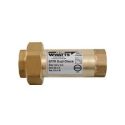
Most homeowners understand the importance of a fire sprinkler system, but many are less familiar with the smaller components that keep the system safe and effective. One of the most important of these parts is the backflow preventer. This device protects your home’s drinking water while also helping your sprinkler system operate as intended.
Understanding how a backflow preventer works and why it matters can help you maintain a safer, code-compliant home.
What Is a Backflow Preventer?
A backflow preventer is a device installed in your home’s plumbing that prevents sprinkler water from flowing back into the main water supply. This prevents contamination and keeps your drinking water clean.
In a fire sprinkler system, water often sits inside the pipes until the system is activated. If there is a sudden drop in water pressure or a change in flow direction, that stagnant water could be pulled back into the household supply. A backflow preventer ensures water only moves in one direction, toward the sprinkler system, not back into the lines used for cooking, drinking, and bathing.
Why Your Sprinkler System Needs One
Backflow prevention is not just a technical detail; it is a critical safety feature. Without a properly functioning device, the water inside your sprinkler pipes could pose a health risk if it enters the domestic supply.
Here are the main reasons your sprinkler system needs a backflow preventer:
- Protects your household drinking water from contamination
- Keeps water flowing in the correct direction during emergencies
- Helps your home meet local plumbing and fire safety codes
- Reduces the risk of costly plumbing problems
- Supports the overall reliability of your fire sprinkler system
Because of these benefits, backflow preventers are required in many residential sprinkler installations.
How Often Does a Backflow Preventer Need Replacement?
Backflow devices do not last forever. Over time, internal parts can wear down, seals can fail, and corrosion may develop. For this reason, many water authorities recommend routine testing and replacement on a regular schedule.
For example, some regional guidelines require backflow preventers to be rebuilt or replaced every 5 years. Homeowners can often check the device tag, typically located near the water service entrance, to see when it was last serviced.
If your area does not use a tagging system, the age of your home or sprinkler system may help determine whether replacement is needed.
Signs Your Backflow Preventer May Need Service
Even before the recommended replacement interval, there may be signs that your backflow preventer needs attention.
Watch for:
- Visible leaks around the device
- Corrosion or buildup on fittings
- Reduced water pressure
- Failed inspection or testing results
- Changes in water clarity or taste
If you notice any of these issues, it is best to schedule a professional inspection.
Schedule Professional Backflow Replacement
A backflow preventer may be a small component, but it plays a major role in protecting both your fire sprinkler system and your home’s water supply. Keeping this device properly maintained or replaced on schedule helps ensure your system stays safe, compliant, and ready to perform when needed.
For professional backflow replacement, fire sprinkler installation, or maintenance services in Maryland, contact Fire Tech Residential Sprinklers LLC today to request a quote and keep your home protected year-round.