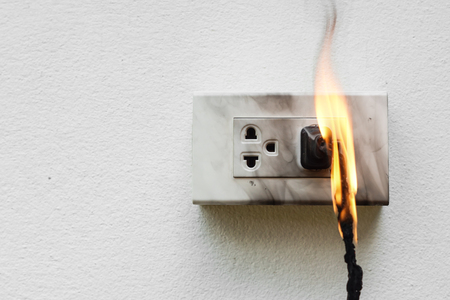
 Electrical fires are a serious risk in many homes, especially as households increase their use of electrical devices and appliances throughout the year. These types of fires can start suddenly and spread quickly, so understanding how to prevent them and what to do if one starts can help keep your home safe and protected. According to the United States Fire Administration, electrical failures or malfunctions contribute to thousands of residential fires annually, resulting in deaths, injuries, and significant property damage.
Common Causes of Electrical Fires
Electrical fires often begin with issues that seem minor but can escalate quickly if ignored. Some of the most common causes include faulty or outdated wiring, overloaded circuits, damaged cords, and improperly used extension cords or power strips. Plugging multiple high-wattage appliances into a single outlet or extension cord can cause overheating, which may spark a fire.
Old or frayed wiring is another major contributor to electrical fires. Wiring and electrical components degrade over time, especially in older homes. Regular inspection by a qualified electrician can uncover hidden issues before they turn into dangerous hazards.
How to Prevent an Electrical Fire
Preventing an electrical fire starts with smart habits and regular home maintenance. Key steps include:
- Avoid overloading outlets by spreading appliances across multiple circuits
- Never force plugs into outlets or use outlets that feel loose or warm
- Plug large appliances, such as refrigerators, dryers, and space heaters, directly into wall outlets
- Do not use extension cords or power strips for high-wattage appliances
- Inspect electrical cords regularly and replace any that are frayed, cracked, or damaged
- Keep cords out from under rugs, carpets, and furniture where they can overheat or become pinched
- Keep flammable materials, including curtains, paper, and fabric, away from outlets and heat-producing devices
- Schedule an electrical inspection if your home is older or has not been evaluated in several years
These preventative steps can significantly reduce the risk of electrical fires before they start.
What to Do if an Electrical Fire Starts
If an electrical fire occurs, quick and informed action is critical. Follow these safety guidelines:
- Shut off the power source immediately if it is safe to do so
- Unplug the burning device or turn off the circuit breaker to stop the flow of electricity
- Never use water on an electrical fire, as it can cause electrocution or worsen the fire
- Use a fire extinguisher rated for electrical fires, such as a Class C or ABC extinguisher
- For very small fires, baking soda or a fire blanket may help smother flames after power is cut
- If the fire grows quickly or cannot be controlled safely, evacuate the home immediately
- Call 911 once you are safely outside
Knowing what to do ahead of time can help prevent serious injury and limit damage during an emergency.
Fire Sprinkler Solutions Designed to Protect Your Home
Electrical fire prevention starts with smart habits, but long-term protection comes from having the right systems in place and properly maintained. In addition to new residential fire sprinkler installations, Fire Tech Residential Sprinklers LLC also provides ongoing maintenance and repair services to help ensure your system is ready when it matters most.
Whether you are planning a new installation or need service on an existing system, contact us today to request a quote and learn how we can help keep your home protected year-round.