Building a new home involves a lot of moving pieces.
You have builders, architects, electricians, plumbers, HVAC contractors, inspectors, and many other professionals working together to take the home from a set of plans to a finished property.
If the home will have a residential fire sprinkler system, there is another contractor who should be part of that process:
The fire sprinkler contractor.
One of the biggest mistakes builders and homeowners can make is waiting until construction is too far along before thinking about the sprinkler system.
Fire sprinkler design and installation can be affected by the home’s layout, water supply, ceiling design, framing, and other parts of construction.
The earlier those details are considered, the easier it can be to coordinate the sprinkler system with the rest of the project.
When Should a Fire Sprinkler Contractor Get Involved?
Ideally, the fire sprinkler contractor should be involved during the planning and early construction stages, not after the home is nearly finished.
The exact timing will depend on the project and local requirements, but bringing the sprinkler contractor into the conversation early allows important questions to be addressed before they create delays.
This can include reviewing:
- The home’s floor plans
- Square footage and layout
- Ceiling heights and designs
- Water supply
- Plumbing configuration
- Basement and attic areas/ Insulation requirements
- Garages and other spaces
- Local requirements
- Construction schedule
The sprinkler contractor can then begin determining what the system may require and how the installation will fit into the overall construction process.
Why Does the Home’s Design Matter?
A residential fire sprinkler system is designed around the home it protects.
The number and placement of sprinkler heads can depend on the size and layout of rooms, ceiling configurations, obstructions, and other characteristics of the property.
That means changes to the building plans can potentially affect the sprinkler design.
For example, imagine the homeowner decides to change a room layout, add a wall, modify a ceiling, or finish an area that was originally going to remain unfinished.
Those decisions may affect the sprinkler system.
Getting the fire sprinkler contractor involved early gives the team an opportunity to identify these issues while changes are still easier to coordinate.
The Water Supply Needs to Be Considered Too
Fire sprinklers need an adequate water supply.
Depending on the property, the system may use the home’s domestic water supply or require additional equipment.
Homes using private wells, for example, may have different considerations than homes connected to a public water system.
Some residential systems may require components such as:
- A water storage tank
- A booster pump
- Backflow protection
- Control valves
- Flow-related devices
- Additional system components
These are not things you want to discover at the end of construction.
Evaluating the water supply early helps the sprinkler contractor determine what the system may need and gives the builder time to coordinate those requirements with the rest of the home.
Fire Sprinklers Need to Be Coordinated With Other Trades
A sprinkler contractor does not work in isolation.
The sprinkler piping and heads need to fit within a home that is also being filled with plumbing, electrical wiring, HVAC ductwork, lighting, framing, insulation, and other building components.
That is why communication between trades matters.
Good coordination can help prevent situations where one contractor’s work interferes with another contractor’s installation.
It can also help reduce the need to move or redo work later.
For builders, this is one of the biggest reasons to establish a relationship with the fire sprinkler contractor early in the project.
What Happens During the Design Stage?
Before installation begins, the sprinkler system needs to be designed for the home.
The contractor reviews the construction plans and determines how the sprinkler system should be laid out based on the property and applicable requirements.
This may include determining:
- Sprinkler locations
- Piping layout
- Water supply requirements
- System components
- Areas requiring sprinkler coverage
- Equipment needs
Fire Tech Residential Sprinklers provides residential fire sprinkler design and installation services for new homes and works with builders, contractors, and homeowners throughout the process.
Getting accurate plans to the sprinkler contractor early can help keep the design process moving.
Permitting Should Not Be an Afterthought
Depending on where the home is being built, plans may need to be submitted to the appropriate local authority for review and permitting.
This is another reason not to wait until the last minute.
Plan review and permitting are part of the construction process and need to be considered when scheduling the sprinkler installation.
Waiting too long to begin this process can create unnecessary complications when other trades are ready to move forward.
Fire Tech can assist with the design and inspection and permitting process for residential fire sprinkler projects.
When Is the Sprinkler System Installed?
The installation schedule depends on the project, but sprinkler piping is generally coordinated with the other mechanical systems during construction.
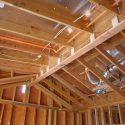
At this stage, the walls and ceilings are still accessible, making it possible for the sprinkler contractor to install piping and system components before everything is closed.
This is another reason early planning matters.
Trying to make major sprinkler changes after drywall, ceilings, cabinetry, or other finishes are installed can make the project more complicated than necessary.
What Happens If the Home Design Changes During Construction?
Changes happen during construction.
A homeowner may decide they want a different room layout. A basement may become finished living space. A ceiling design may change. An addition or feature may be modified.
When these changes happen, make sure the fire sprinkler contractor knows.
Something that seems like a small architectural change may affect the sprinkler layout.
Keeping the sprinkler contractor informed gives them an opportunity to determine whether the existing design needs to be adjusted before construction continues.
Builders Should Think About Fire Sprinklers Early
For builders and general contractors, bringing in a residential fire sprinkler company early can make the entire process easier to manage.
Instead of treating fire sprinklers as something that gets added near the end of construction, they can be incorporated into the project from the beginning.
That means the sprinkler contractor can coordinate with the builder, plumber, electrician, HVAC contractor, and other trades as the home progresses.
The goal is simple:
Design the system correctly, coordinate the installation, address permitting, inspection requirements, and keep the project moving.
Homeowners Building a Custom Home Should Ask About Sprinklers Early Too
If you are building a custom home, do not assume someone else has already handled the fire sprinkler system.
Ask your builder about it early.
Find out:
- Whether the home will have a sprinkler system
- Who is designing the system
- Who is installing it
- When the sprinkler contractor will become involved
- Whether the plans have been reviewed
- What type of water supply the system will use
- Whether additional equipment may be necessary
You do not need to become an expert in residential fire sprinklers.
You simply want to make sure the right professionals are involved before construction gets too far along.
Building a New Home in Maryland, Washington DC, or Virginia?
Fire Tech Residential Sprinklers works with homeowners, builders, and contractors on residential fire sprinkler projects throughout its service areas in Maryland, Washington DC, and Virginia.
From reviewing plans and designing the system to permitting, installation, testing, and ongoing service, Fire Tech can help coordinate the residential sprinkler portion of your project.
If you are planning a new home, the best time to start the conversation is before you need the sprinkler system installed.
Getting Fire Tech involved early gives everyone an opportunity to review the project, understand what is needed, and coordinate the sprinkler system with the rest of the construction.
Contact Fire Tech Residential Sprinklers to discuss your upcoming residential construction project.