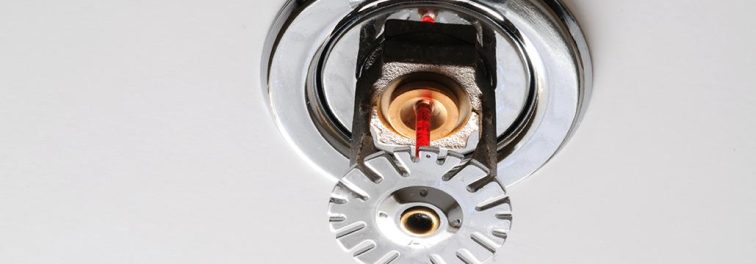
If your home has a fire sprinkler system, there is a good chance you do not think about it very often.
It sits quietly behind your walls and ceilings, ready to help protect your home if a fire occurs. But just like other important systems in your home, problems can develop over time.
A sprinkler head can become damaged or corroded. A valve can be closed. A leak can develop. Renovations can change the area around a sprinkler. Components connected to the system can also require attention.
That is where a residential fire sprinkler inspection can help.
At Fire Tech Residential Sprinklers, we inspect residential fire sprinkler systems to help homeowners better understand the condition of their system and identify potential problems that may need service or repair.
Here is a closer look at what may be checked during an inspection.
1. Sprinkler Heads
One of the first things to look at is the sprinkler heads throughout the home.
A technician may look for sprinkler heads that are:
- Painted
- Damaged
- Corroded
- Obstructed
- Leaking
- Showing other visible signs of deterioration
These details matter because sprinkler heads need to be able to respond and distribute water properly when needed.
Homeowners should also avoid hanging decorations or other objects from sprinkler heads and should never paint them. The Home Fire Sprinkler Coalition recommends periodically checking sprinklers for these types of problems and keeping them free from obstructions. If you notice something unusual around a sprinkler head, it is better to have it evaluated than simply ignore it.
2. Water Supply and Connections
Your sprinkler system needs a reliable water supply to operate.
During an inspection, Fire Tech may examine the system’s water connection and accessible components to identify anything that appears out of place or requires attention.
Depending on the home, the sprinkler system may be supplied through a domestic water connection or may have additional equipment such as a pump and water storage tank.
Different homes can have different system configurations, which is one reason it is helpful to have someone familiar with residential sprinkler systems evaluate yours.
3. System Valves
Valves are another important part of the inspection.
Fire Tech checks accessible valves to make sure they are in the proper position and to identify visible problems.
A closed control valve can prevent water from reaching the sprinkler system when it is needed. Home Fire Sprinkler Coalition guidance similarly emphasizes keeping sprinkler control valves open and periodically checking them.
This is a relatively simple thing that can easily be overlooked by a homeowner who is unfamiliar with the system.
4. Backflow Preventer
Depending on the type of sprinkler system in your home, there may also be a backflow preventer.
A backflow preventer helps prevent sprinkler system water from flowing backward into the home’s domestic water supply.
Fire Tech’s residential maintenance process includes checking backflow operation and assessing the condition and service information associated with the device. If a backflow preventer needs attention, Fire Tech also provides residential backflow replacement services.
5. Visible Piping and Signs of Leaks
Accessible portions of the sprinkler system can also be examined for signs of trouble.
This can include looking for:
- Visible leaks
- Corrosion
- Damaged piping
- Changes made around the system
- Other unusual conditions
A small drip or spot of corrosion may not seem serious when you first notice it, but it is worth finding out what is causing it.
Do not assume that a visible problem means the entire sprinkler system needs to be replaced. Many problems may involve a specific component that can be evaluated and, when appropriate, repaired or replaced.
6. Pumps and Water Storage Tanks
Some homes, particularly those that rely on a private well or have specific water-supply requirements, may have a pump and water storage tank connected to the sprinkler system.
For these systems, Fire Tech can inspect the water level, examine the booster pump, and test water-flow devices as part of its residential pump and tank service.
These components are particularly important because they help provide the water the sprinkler system needs when it activates.
7. Flow Switches and Other Components
Some residential sprinkler systems also include a flow switch.
A flow switch detects movement of water through a wet sprinkler system and can send a signal to an alarm system when sprinkler water begins flowing.
If your home has one, it may be another component that needs to be checked or tested.
Fire Tech currently provides flow-switch services as part of its residential maintenance and repair work.
Why Have Your Fire Sprinkler System Inspected?
Many homeowners do not know much about their sprinkler system because they rarely have a reason to interact with it.
That is completely understandable.
But there are certain situations when having the system evaluated can be especially helpful.
Consider contacting a residential fire sprinkler professional if:
- You recently purchased a home with fire sprinklers
- You do not know when the system was last checked
- You notice a leaking sprinkler head or pipe
- You see corrosion or discoloration
- A sprinkler head has been painted or damaged
- You are remodeling, finishing a basement, or adding onto your home
- You have concerns about your pump or water storage tank
- Something about the system simply does not look right
Renovations deserve particular attention because changes to walls, ceilings, rooms, and other features can affect an existing sprinkler layout. Fire Tech provides design and permitting assistance for sprinkler modifications related to additions, finished basements, and renovations.
Can I Check My Fire Sprinkler System Myself?
There are basic things homeowners can keep an eye on.
You can periodically look for visible damage, make sure nothing is hanging from or blocking sprinkler heads, and avoid painting them. Homeowners should also be aware of their sprinkler system controls and make sure required valves remain in their proper position. However, a quick look around your home is not the same as having a qualified professional evaluate the system.
If you see something concerning or simply do not know the condition of your system, having it professionally checked can give you a much clearer understanding of what you have and whether anything needs attention.
Residential Fire Sprinkler Service in Maryland, DC and Virginia
Fire Tech Residential Sprinklers specializes in residential fire sprinkler installation, inspection, testing, maintenance, and repair.
The company was founded by two NICET Level III certified professionals and has more than 65 years of combined fire sprinkler industry experience. Fire Tech serves homeowners, builders, and contractors throughout Maryland, Washington DC, and parts of Virginia.
Whether you recently purchased a home with sprinklers, noticed something unusual with your system, or simply have questions about how your system is working, our team can help you determine the next step.